
Material fatigue: Aluminum vs. Chromoly (CrMo)
When aluminum decks, handlebars, or forks are new, the strength of these products reaches 100% of its potential.
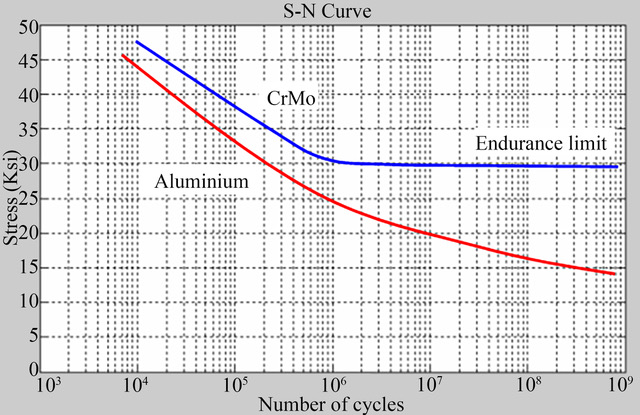
However, aluminum loses many of its properties over time. After 10 million stress movements, the material loses 65% of its original durability. This means it becomes three times weaker.
This is also the reason why every deck becomes "softer" over time and loses strength, rebound, and reactivity after 6 or 8 months.
Unlike humans, aluminum products cannot be "refreshed." No amount of vitamins, boosters, or other supplements will return an aluminum product to its original "form." That's just the way it is.
CrMo, on the other hand, does not have this "fatigue" disadvantage. After 10 million cycles, it loses only 35% of its original properties.
This is also the reason why suspension springs are made of steel and not aluminum.
And this is also why handlebars made of CrMo can last a very, very long time, often forever, while handlebars made of aluminum will eventually break one day.
See the chart below, which shows a comparison of material fatigue between aluminum and CrMo.
Further information on this topic can be found in the following video (don't forget to turn off the French subtitles), presented by Kevin Demay.